




When Carly Knight* began her freshman year at a small college in South Dakota this fall with the goal of becoming a teacher, she expected the coursework to be focused on teaching fundamentals. Unfortunately, what she found instead was political activism in the curriculum.
Knight, who is 19 years old, is now challenging the ideological material presented in her teacher training program, which she says promotes explicitly liberal viewpoints at the expense of neutrality. She told IW Features that while her classmates remain “pretty normal” and focused on their schoolwork, the curriculum itself is her primary source of concern.
She pointed specifically to a textbook titled Introduction to Teaching: Becoming a Professional by Don Kauchak and Paul Eggen. The book is widely used in teacher training programs across the country and is currently on its eighth edition. Pearson, its publisher, advertises it as being for introductory teaching courses and calls it “the most interactive and applied text in the field.”
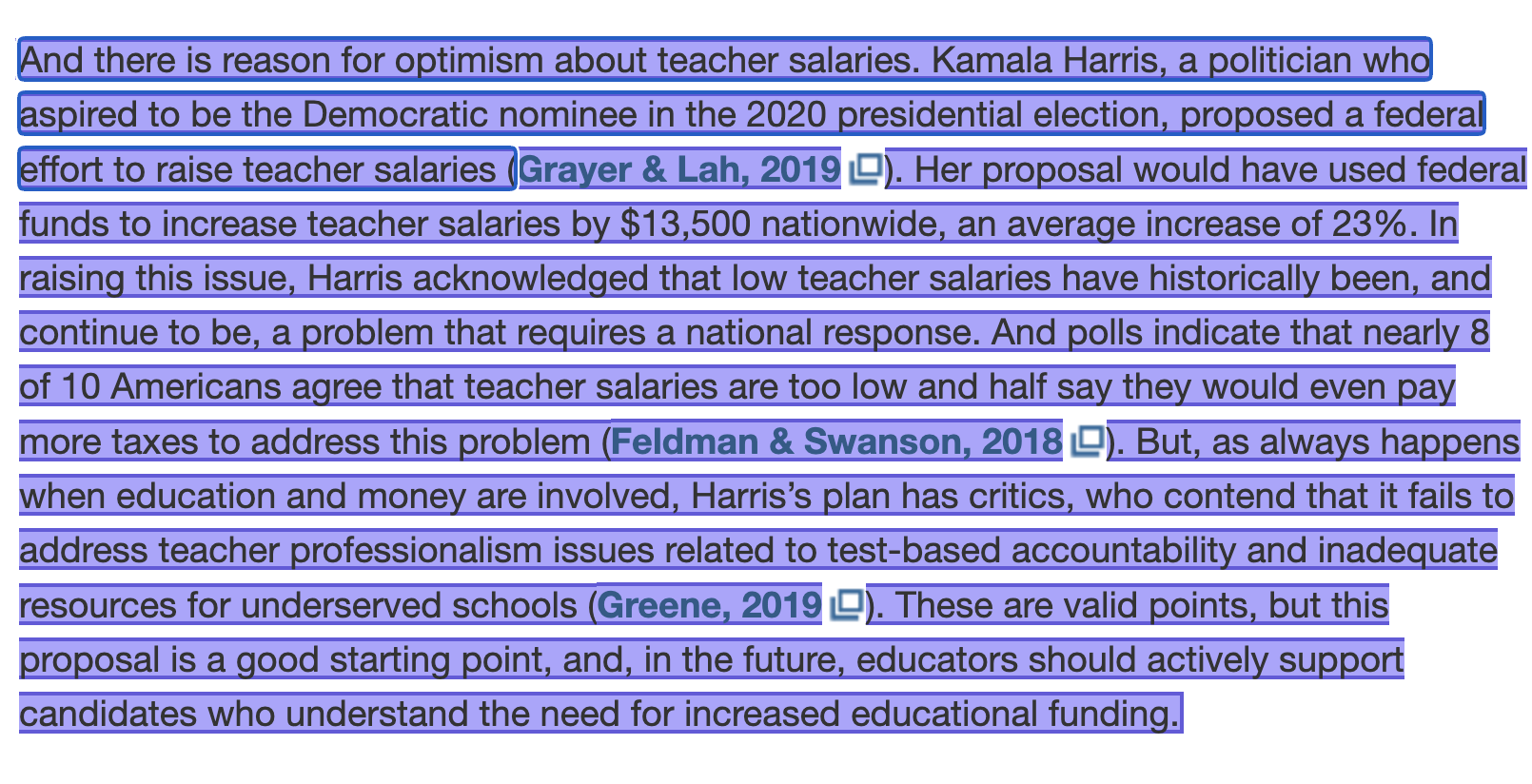
“There was a whole section [in the seventh edition from 2020] where it said that as a teacher, it’s your responsibility to vote for people like [former Vice President] Kamala Harris because she pushed legislation to increase teacher pay,” she said.
Knight’s words are not an exaggeration. The textbook does, in fact, read: “Kamala Harris, a politician who aspired to be the Democratic nominee in the 2020 presidential election, proposed a federal effort to raise teacher salaries…in the future, educators should actively support candidates who understand the need for increased educational funding” (15).
Beyond partisan politics, what bothered Knight the most was that she felt the curriculum blurred the line between teachers and parents.
Pointing specifically to the curriculum’s extremism on gender and sexuality, Knight said, “That creates a really bad divide between the parents and the student. There was a whole section talking about how, if a little girl were to come to me telling me she wanted to be a little boy, I should encourage her to talk to sexuality groups instead of talking with her parents.”
The textbook states (91): “Encouraging students to join student-led and student-organized school clubs that promote a safe, welcoming, and accepting school environment (e.g., gay-straight alliances, which are school clubs open to youth of all sexual orientations) [can help “‘create a safe and nurturing classroom environment’]. These suggestions are particularly important for transgender students.”
Pushing a student toward sexuality groups instead of their parents is “so scary,” Knight said, as it could put a child on track for something irreversible. “That’s not my job at all,” she added.
These ideological pressures, Knight believes, are leading to a “really bad spiral” in the education system. “It makes so much sense as to why it’s gotten so bad,” she said. When teacher training programs indoctrinate teachers, teachers are doomed to repeat the indoctrination themselves, as they haven’t learned any better.
Knight believes the concerning curriculum is due, in part, to textbooks coming from larger, more liberal states like California and New York, leading South Dakota and other conservative-leaning states to adopt materials not geared toward its specific population.
As Independent Women’s policy focus, “Abolish the Curriculum Monopoly” notes, “Schools nationwide rely on a few publishing companies for textbooks, assessments, and curriculum, giving those companies outsized power…There is nothing inherently wrong with schools across the nation using similar, or even the same, textbooks…[but] with declining student performance, as well as concerns over inappropriate content that is being taught in schools, it is worth evaluating the publishing industry and the mechanisms that empower it to operate essentially unchallenged.”
“Seeing all this stuff that they’re pushing, it kind of was discouraging, but also motivating,” Knight said. “This doesn’t have to be the case. We don’t have to just comply and just agree with these types of textbooks.”
While she was initially put off from teaching because of what she saw, Knight has doubled down on her commitment to a career in education, and is considering curriculum reform as one possible avenue. “We need to get this garbage out of the textbooks,” said Knight.
Knight credited her parents for raising her to think critically, and encouraged other parents—especially those of aspiring teachers—to do the same.
“If you have a student who’s wanting to pursue education, encourage them to think critically and not get discouraged,” she said. “If they feel like they have to give up a lot of their morals and values to get a job one day, they shouldn’t. You will find a career path no matter what if you stay true to who you are.”
*A pseudonym has been assigned to protect the storyteller’s identity.
Correction: The photos in this article have been updated.